
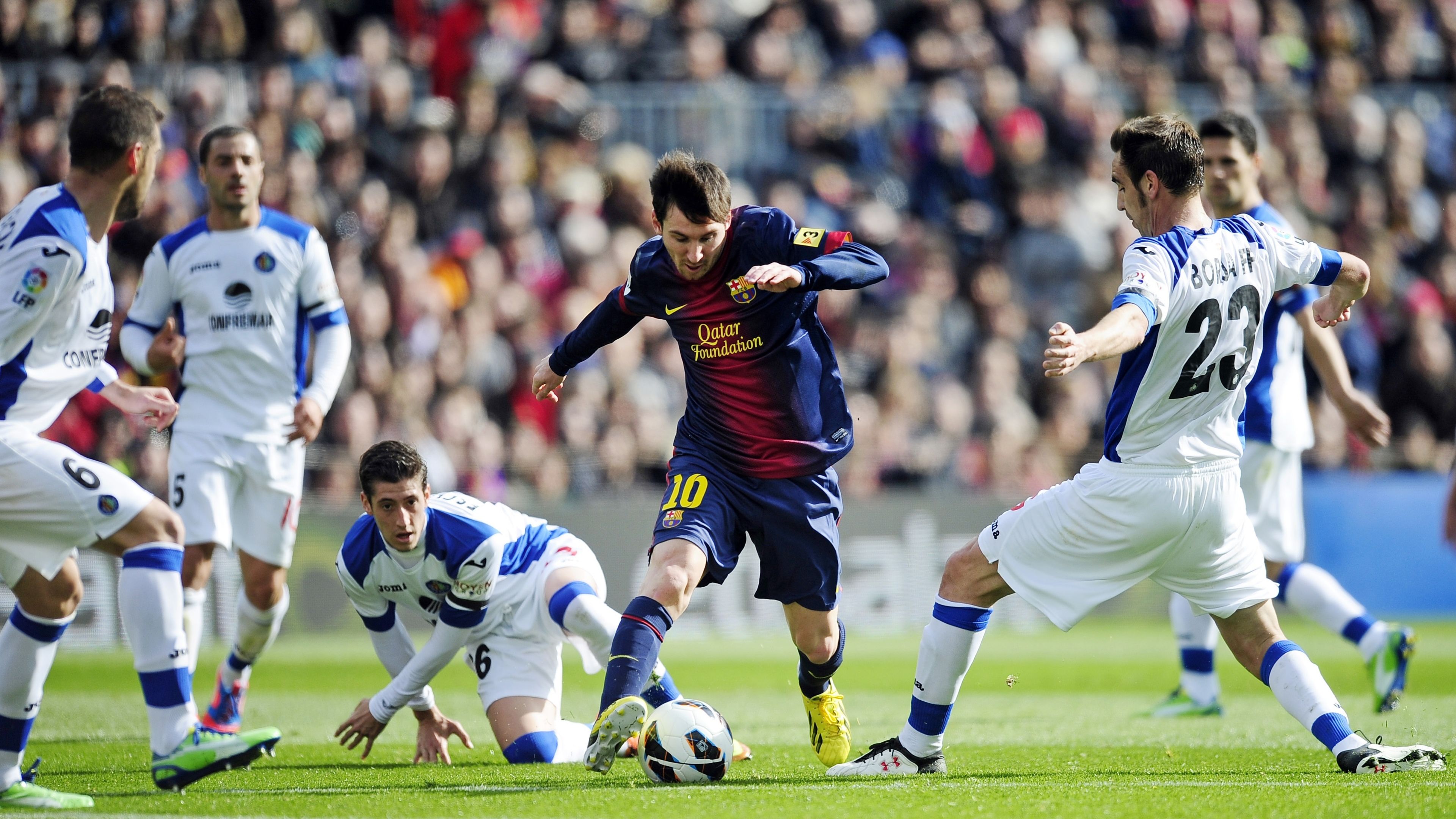
Scientific Analysis of How Dance-like Rhythm and Timing Affect Football Player Skills
Dance and sports like football share many commonalities, particularly in terms of body rhythm, timing, and coordinated movements. Let’s explore how a sense of rhythm and timing, akin to dancing, plays a crucial role in football and its scientific underpinnings.
1. Neuromuscular Coordination and Rhythm Perception
- Neuromuscular Coordination: Both dance and football require refined neuromuscular coordination, which involves the synchronization of muscles and nerves to produce precise and harmonious movements. The ability to perceive rhythm and move accordingly enhances muscle memory and neuromuscular adaptation. In football, this is critical for dribbling, passing, and shooting, where timing and control are essential.
- Rhythm Perception: The brain’s ability to perceive and predict timing is a fundamental aspect of temporal processing in neuroscience. In football, this skill translates into quick reaction times and optimal timing for actions, such as intercepting a pass or timing a run, similar to maintaining rhythm in dance movements.
2. Coordination and Motor Memory
- Coordination: In dance, rhythm ensures that various parts of the body move in harmony, creating fluid motions. This coordination is equally important in football, where players must synchronize their body movements with the ball and teammates. For example, executing a precise cross or a well-timed tackle requires coordinated body control, which can be enhanced through rhythmic training similar to dance.
- Motor Memory: Repeated movements help the body develop specific motor memories. In dance, this is seen in the retention of choreography. Similarly, in football, players develop muscle memory for specific actions, such as striking the ball with precision or maintaining balance while performing complex maneuvers. Rhythmic practice can reinforce these motor patterns, making movements more efficient and automatic.
3. Psychological State and Rhythm
- Psychological Comfort: The rhythmic aspects of dance can induce a sense of psychological comfort, which is also beneficial in sports. In football, players who move with a sense of rhythm can experience reduced anxiety and greater focus. This rhythmic comfort can lead to better decision-making and composure under pressure, essential during critical moments in a match.
- Focus and Flow State: Both dance and sports can induce a ‘flow state,’ where individuals are fully immersed in the activity, losing sense of time and external pressures. In football, players who are in rhythm are more likely to enter this flow state, leading to peak performance. This state allows players to anticipate movements, react quickly, and execute plays with precision.
4. Conclusion
Integrating dance-like rhythm and timing into football can enhance players’ neuromuscular coordination, motor memory, psychological comfort, and ability to enter a flow state. These factors collectively contribute to improved overall performance on the field. Training that emphasizes rhythm, whether through dance or specific rhythmic exercises, can thus be a valuable addition to a football player’s regimen, fostering skills that are critical for success in the sport.
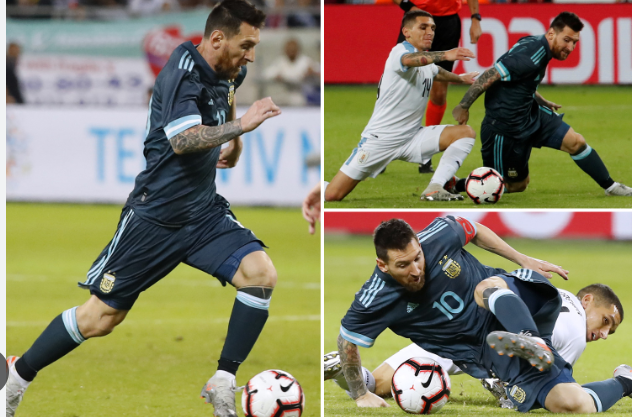
The Science Behind Lionel Messi’s Dribbling Rhythm: A Deep Dive into Football Mastery
Lionel Messi, widely regarded as one of the greatest footballers of all time, has dazzled fans and opponents alike with his extraordinary dribbling skills. A significant part of what makes Messi’s dribbling so mesmerizing is his unique sense of rhythm and timing, akin to a dancer’s fluid movements on stage. This article explores the scientific principles underlying Messi’s dribbling rhythm and how it contributes to his unparalleled mastery on the football field.
Neuromuscular Coordination and Precision
At the core of Messi’s dribbling prowess is his exceptional neuromuscular coordination. This coordination refers to the seamless communication between the brain, nervous system, and muscles, enabling precise and controlled movements. Messi’s brain efficiently processes visual and sensory information, allowing him to anticipate opponents’ actions and react with split-second timing. This is not unlike the precision required in dance, where timing and control are crucial to executing complex moves.
Messi’s ability to change direction quickly and maintain balance while dribbling is a testament to his finely tuned neuromuscular system. Studies in sports science have shown that elite athletes like Messi possess superior proprioception—the sense of body position and movement. This heightened proprioception enables Messi to navigate through tight spaces and evade multiple defenders with a series of rapid, subtle touches on the ball, maintaining rhythm and control throughout.
Rhythm Perception and Temporal Processing
Messi’s dribbling style is characterized by a distinct rhythm, often described as “dancing” with the ball. This rhythm is not merely aesthetic; it plays a critical role in his effectiveness on the pitch. Rhythm perception, a cognitive ability that involves recognizing and responding to temporal patterns, is a key component of Messi’s dribbling technique.
Research in cognitive neuroscience suggests that Messi’s brain is exceptionally adept at temporal processing—the ability to perceive and anticipate the timing of events. This skill allows him to synchronize his movements with the ball and his opponents, creating a fluid and deceptive dribbling style. By varying his pace and rhythm, Messi can unsettle defenders, who struggle to predict his next move. This unpredictability is a hallmark of his play, making him incredibly difficult to defend against.
Motor Memory and Consistency
Messi’s dribbling is also deeply rooted in motor memory, the long-term retention of movement patterns through repetition. From a young age, Messi has honed his skills through countless hours of practice, ingraining specific dribbling techniques into his muscle memory. This repeated practice has resulted in an automaticity of movement, allowing Messi to perform complex dribbling maneuvers without conscious thought.
This motor memory enables Messi to maintain a consistent dribbling rhythm even under intense pressure. Whether he’s weaving through a line of defenders or making a sudden burst towards goal, Messi’s movements are smooth and controlled, a direct result of the well-established neural pathways formed through extensive practice. The consistency in his dribbling also allows him to maintain high speeds while keeping the ball close to his feet, a skill that sets him apart from many other players.
Psychological Factors: Flow State and Confidence
Another critical aspect of Messi’s dribbling is his psychological state, particularly his ability to enter a “flow state.” This state of mind, often described as being “in the zone,” occurs when an individual is fully immersed in an activity, experiencing heightened focus and effortless performance. Messi’s rhythmic dribbling style facilitates this flow state, as the repetitive and fluid nature of his movements helps him maintain concentration and stay attuned to the game’s dynamics.
Moreover, Messi’s confidence in his dribbling abilities further enhances his performance. This confidence, built over years of success, allows him to take risks and attempt audacious moves that other players might shy away from. His self-assuredness is evident in the way he controls the ball, often making seemingly impossible moves look easy.
Conclusion
Lionel Messi’s dribbling rhythm is a complex interplay of neuromuscular coordination, rhythm perception, motor memory, and psychological factors. Each of these elements contributes to the elegance and effectiveness of his play, making him one of the most formidable dribblers in football history. By understanding the science behind Messi’s dribbling, we gain deeper insights into the artistry and precision that define his game, highlighting the unique fusion of physical and cognitive skills that underpin his genius on the pitch.
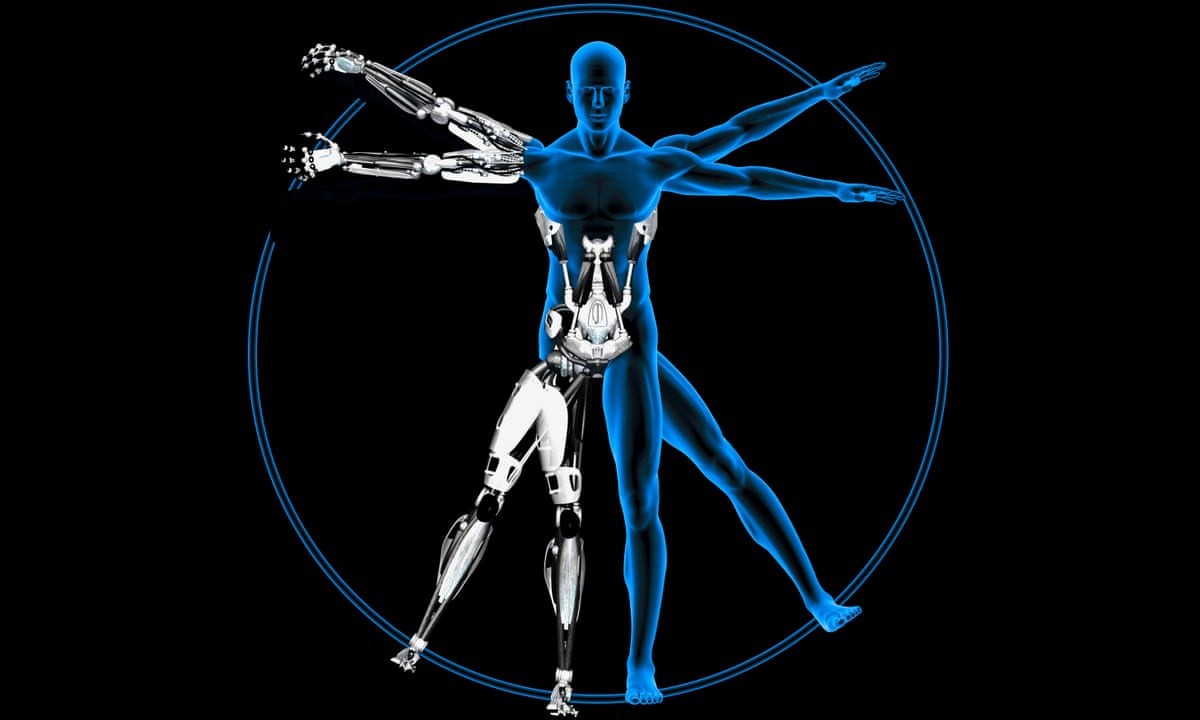
Lionel Messi’s Unmatched Athletic Prowess on the Football Pitch
In the realm of football, where skill and athleticism collide, Lionel Messi stands as a beacon of unparalleled ability. His agility, balance, and lightning-quick reflexes have set him apart from his peers, establishing him as one of the greatest athletes the sport has ever seen.
Agility:
Messi’s agility defies belief. Like a cat on the prowl, he navigates through opposing defenses with a grace that seems almost supernatural. His ability to change direction in the blink of an eye leaves defenders grasping at thin air, a testament to his extraordinary balance and control.
Speed:
When Messi bursts into action, defenders are left trailing in his wake. His acceleration over short distances is unmatched, allowing him to create space and opportunities where none seem to exist. Whether weaving through congested midfields or sprinting towards goal, Messi’s speed is a weapon that few can defend against.
Dribbling:
With the ball at his feet, Messi becomes a magician. His close control and dribbling skills are a sight to behold, as he effortlessly glides past opponents with a combination of feints, shifts in direction, and impeccable ball control. His low center of gravity and lightning-quick footwork make him virtually untouchable on the dribble.
Balance:
Maintaining balance under pressure is another hallmark of Messi’s athletic prowess. Despite being consistently marked by multiple defenders, he manages to stay on his feet, using subtle shifts in body weight to evade challenges and retain possession. His ability to stay upright and retain control of the ball in seemingly impossible situations is a testament to his exceptional athleticism.
Overall Impact:
In every match he plays, Messi’s athletic abilities shine brightly. Whether scoring goals, providing assists, or simply mesmerizing spectators with his artistry on the ball, he embodies the pinnacle of athletic achievement in football. His unique combination of agility, speed, dribbling, and balance has redefined the expectations of what a footballer can achieve, leaving an indelible mark on the sport’s history.
Conclusion:
Lionel Messi’s athletic abilities transcend mere physicality; they are a testament to dedication, talent, and an unwavering passion for the game. His influence on football is profound, inspiring generations of players and fans alike. As he continues to grace the pitch with his presence, Messi’s athletic prowess remains a constant reminder of the heights that can be reached through sheer determination and skill.

 VIKING BARCA