
Hamstring Injuries: Causes, Prevention, and Effective Treatment Methods
—Scientific Approaches Recommended by Sports Experts
Hamstring injuries are one of the most common muscle injuries faced not only by professional athletes but also by recreational sports enthusiasts. Particularly in sports like soccer, basketball, and baseball, which require sprinting, rapid direction changes, and explosive jumping, the risk of hamstring injuries is significantly higher. This article delves into the scientific understanding of the causes, preventive measures, and effective treatment methods for hamstring injuries.
Main Causes of Hamstring Injuries
1. Muscle Imbalance
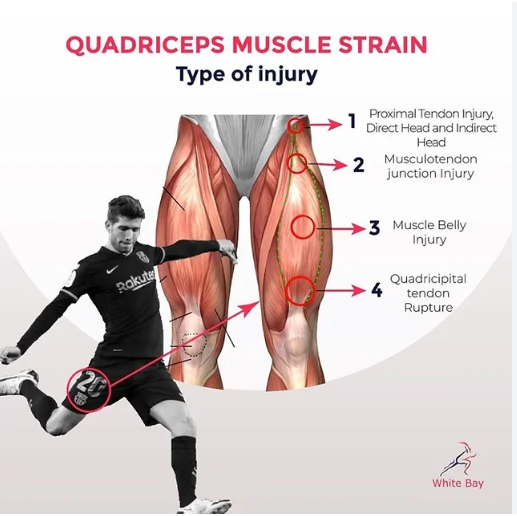
One of the primary causes of hamstring injuries is the imbalance between the hamstrings (posterior thigh muscles) and the quadriceps (anterior thigh muscles). Generally, the quadriceps are stronger than the hamstrings, leading to overcompensation during high-intensity movements, which increases the risk of strain or tear.
2. Sudden Speed Changes and Direction Shifts
Professional soccer players often sprint at speeds exceeding 30 km/h. Sudden acceleration, deceleration, and direction changes during sprints can cause the hamstrings to overstretch, leading to tears.
3. Lack of Proper Warm-up
Initiating high-intensity exercises without proper warm-up can result in insufficient muscle elasticity, making the hamstrings more susceptible to injury.
4. Accumulated Fatigue
Continuous training and competition can cause muscle fatigue, reducing neuromuscular coordination and making it difficult for muscles to respond appropriately to rapid movements.
Prevention Methods for Hamstring Injuries
1) Strength Training
Developing strong hamstring muscles is crucial for preventing injuries.
- Nordic Hamstring Curl
- This exercise emphasizes eccentric contraction of the hamstrings, increasing their strength and resistance to injury.
- Studies show a 51% reduction in injury risk (Petersen et al., 2011).
- Romanian Deadlift
- Enhances both glute and hamstring strength, improving muscle durability during high-intensity movements.
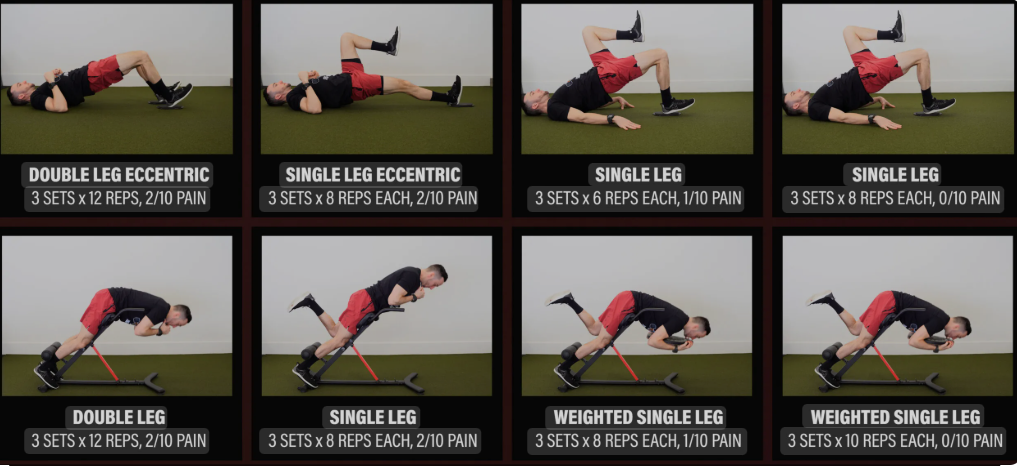
- Glute-Ham Raise
- Engages both the glutes and hamstrings, enhancing explosive power and injury resilience.
2) Flexibility and Balance Training
Improving flexibility reduces the risk of muscle strains.
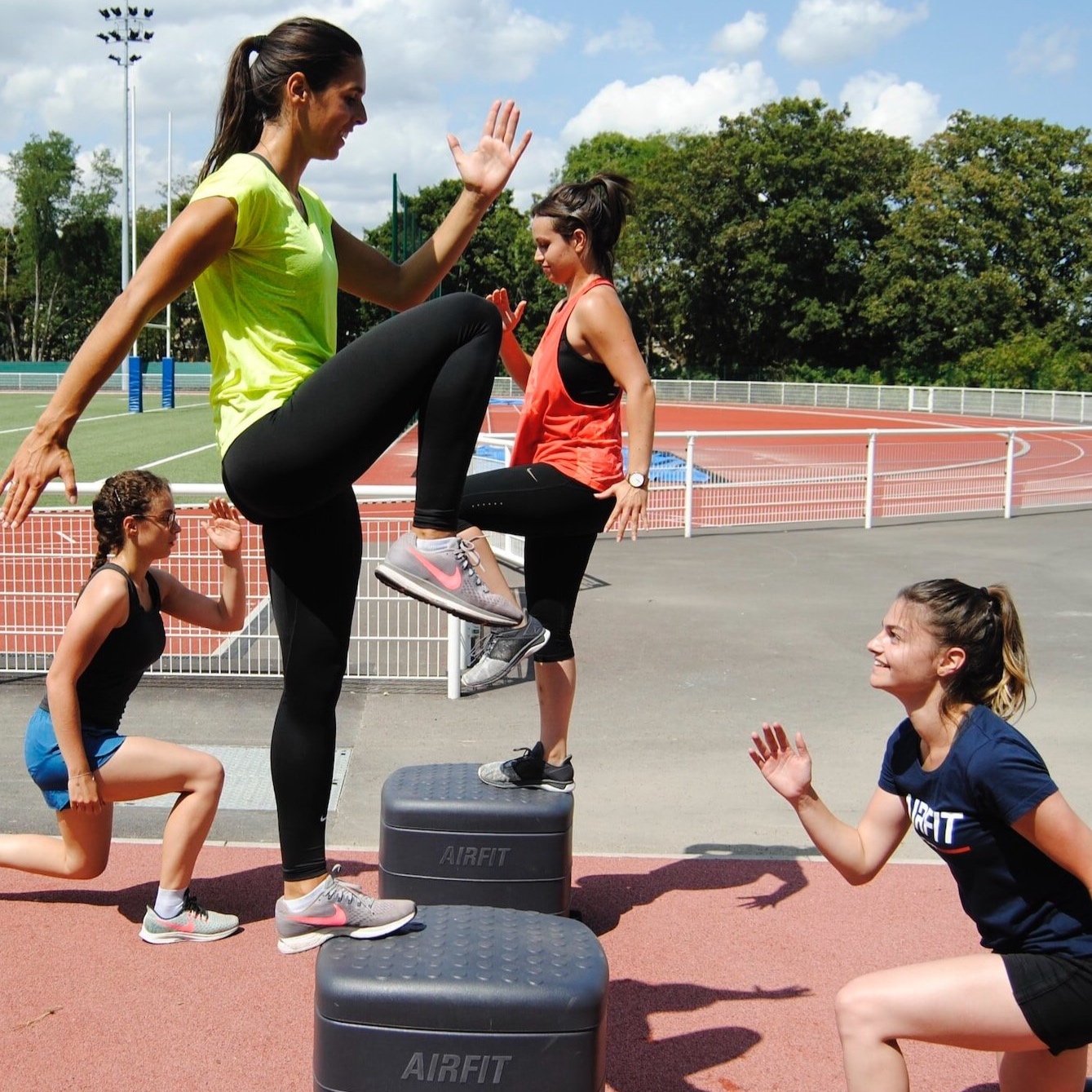
- Dynamic Stretching (Before Exercise)
- Leg swings, walking lunges, and hip circles to loosen muscles.
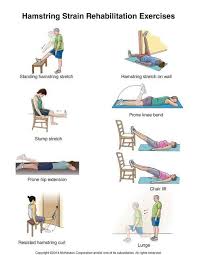
- Static Stretching (After Exercise)
- Holding a hamstring stretch for 20–30 seconds helps restore muscle length.
- Balance Training
- Single-leg balance drills and BOSU ball exercises enhance neuromuscular control.
3) Sport-Specific Training
- Soccer Players: Sprint acceleration and sharp turns.
- Basketball Players: Jump landings and rapid directional changes.
- Baseball Players: Sprinting between bases and sliding drills.
Effective Treatment Methods for Hamstring Injuries
1) Acute Phase (First 48–72 Hours)
- PRICE Method: Protection, Rest, Ice, Compression, Elevation
- Objective: Minimize inflammation and prevent secondary damage.
2) Recovery Phase (1–3 Weeks)
- Gentle Stretching and Isometric Contraction Exercises
- Stretch the muscle within a pain-free range to restore mobility.
- Strength Recovery Exercises
- Begin with low-intensity exercises like Glute Bridge and Leg Curl to build strength.
3) High-Intensity Rehabilitation (4–6 Weeks)
- Hamstring Strengthening
- Progress to Nordic Curl and Romanian Deadlift for full recovery.
- Sprint Repetitions
- Gradually increase speed and distance to regain game readiness.
- Sport-Specific Movements
- Practice actual game movements like cuts, jumps, and directional changes.
Latest Treatment Technologies
- PRP (Platelet-Rich Plasma) Injection:
- Delivers growth factors directly to the injury site, promoting faster recovery.
- Manual Therapy and Electrical Stimulation:
- Activates damaged muscles and relieves pain during recovery.
- Psychological Rehabilitation:
- Helps athletes overcome the fear of re-injury, accelerating the return to play.
Conclusion
Hamstring injuries can occur in the blink of an eye but can be effectively prevented through proper training and rehabilitation. Muscle strength, flexibility, and core stability are crucial for reducing the risk of injury, and sports-specific programs are recommended to protect the hamstrings during competition. With structured prevention and recovery protocols, athletes can confidently perform at their best while minimizing the risk of hamstring injuries.

 VIKING BARCA