
Mental Strength and Mindset Control: The Power of Mental Resilience Through the Examples of Legendary Athletes
Introduction
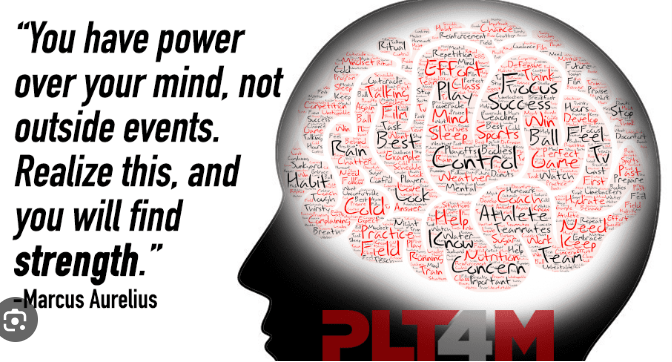
While athletes may demonstrate exceptional skills during practice, they often make mistakes or miss key opportunities during actual games or critical moments. These mistakes are not merely the result of technical errors or luck. They indicate that psychological factors, namely mental strength and mindset control, have a significant impact. Confidence and mental resilience are powerful forces for many athletes, and strong focus and determination often bring out results beyond their usual abilities. Through the examples of legendary athletes, this article scientifically analyzes how mental strength and mindset control affect athletic performance, and illustrates their importance through quotes and real-life cases.
Scientific Analysis of Mental Strength
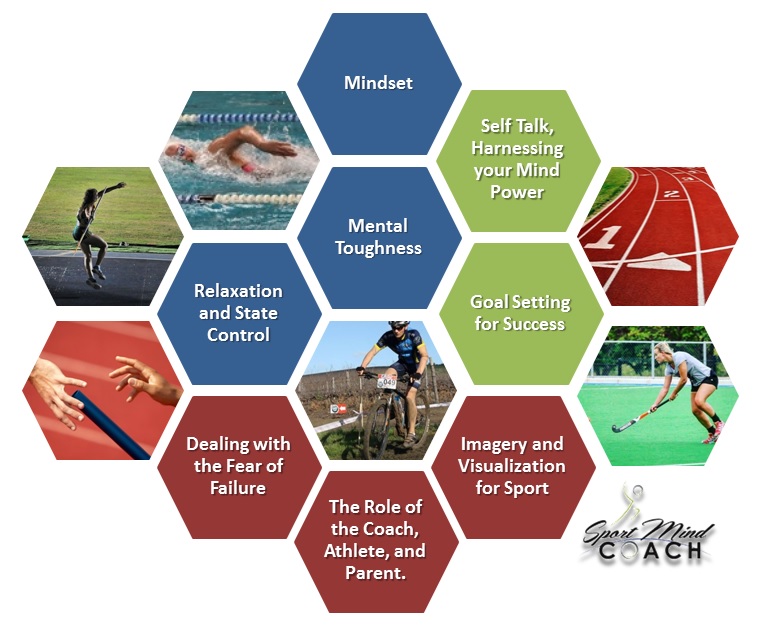
Mental strength is a crucial factor that helps athletes overcome the various pressures and stressful situations they face in competitions, allowing them to perform at their best. Research in sports psychology suggests that mental toughness not only affects emotional stability but also plays a key role in an athlete’s focus and stress management. For example, sports psychologist Neil Foster states, “Athletes with mental resilience can make calm decisions in difficult situations and remain confident.”
Such research findings support the success stories of many athletes. For instance, tennis player Serena Williams attributed her ability to stay calm during mistakes or in high-pressure situations to her mental strength. She emphasized, “The most important thing during a match is believing in myself,” highlighting how crucial mental resilience is to performance.
The Importance of Mindset Control
Mindset control is a critical strategy that helps athletes regulate their thoughts and emotions, allowing them to maintain focus during a game. Through mindset control, athletes can manage emotional responses during competitions and maximize their technical abilities. Techniques like visualization, positive self-talk, and goal-setting are commonly used methods in mindset control.
Legendary basketball player Michael Jordan often utilized visualization during critical moments of a game. He said, “I would visualize the scene in my mind and keep thinking about it until it became reality.” He stressed that mental preparation is just as important as physical preparation. Furthermore, he preferred to use positive self-talk rather than criticize himself during a match to maintain a calm and focused mindset.
Case Studies of Legendary Athletes
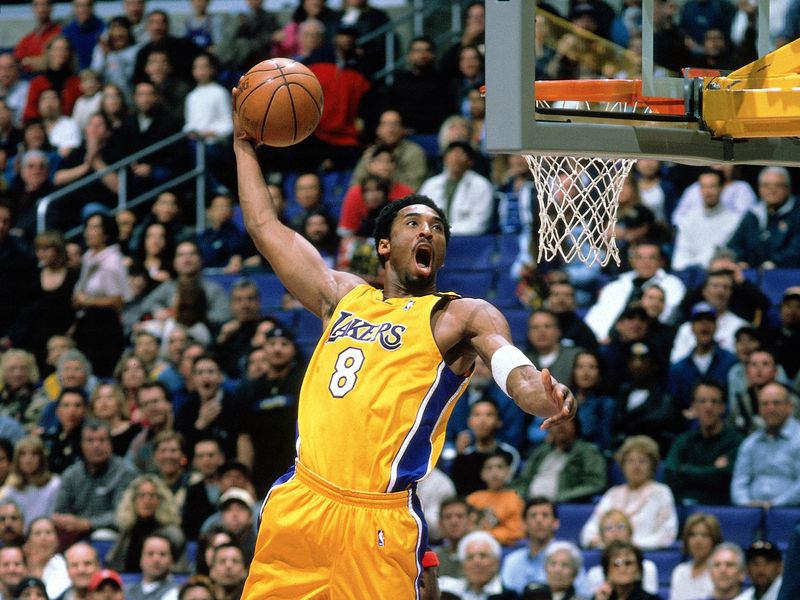
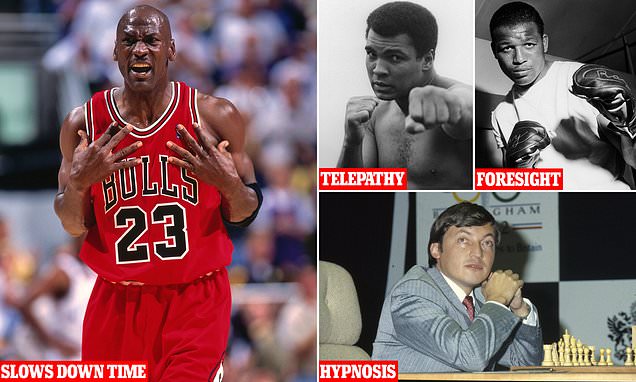
- Michael Jordan and Kobe Bryant in Basketball Michael Jordan and Kobe Bryant demonstrated remarkable mindset control even in the most pressure-filled moments. Jordan, particularly in the 1997 NBA Finals Game 5, played through illness, almost unable to stand, but still managed to make key shots. He famously said, “As long as I believe I can do it, I can overcome any difficulty,” emphasizing the importance of mental strength. Kobe Bryant, in another pivotal game, displayed his “clutch” abilities in the 2009 NBA Finals by scoring consecutively in the fourth quarter to lead his team to victory. He, too, used mental preparation techniques to maintain his focus during intense moments.

- Lionel Messi and the 2022 Qatar World Cup Lionel Messi’s mental resilience shone brightly during the 2022 Qatar World Cup. Argentina faced a shocking defeat to Saudi Arabia in their opening match, and many began to doubt their chances of winning the tournament. However, Messi and his teammates demonstrated incredible mental strength as they bounced back and won match after match. Messi’s leadership was crucial during this period. Especially in the intense moments of the World Cup, Messi’s focus and mindset control were pivotal. In the quarterfinals against the Netherlands, Argentina prevailed in a dramatic penalty shootout. In the final against France, Messi’s determination in the face of pressure led Argentina to their first World Cup victory in 36 years. The first goal Messi scored in the final was more than just a technical achievement; it symbolized his mental strength, patience, and the will to lead his team. He stated, “We believed, and in the end, that belief led to victory,” emphasizing the importance of mental resilience. Ultimately, Messi’s first World Cup title was not only a testament to his physical skills but a significant milestone in his life.

- Manchester United’s Champions League Final Comeback In 1999, Manchester United made a historic comeback in the Champions League final against Bayern Munich. After going 1-0 down, Manchester United managed to score two goals in extra time, winning 2-1. In those final moments, the players overcame immense pressure, staying confident and composed to turn the game around. This mental resilience was a key factor in their iconic victory.
Conclusion
Mental strength and mindset control play a crucial role in helping athletes achieve their best performances. Strong mental resilience allows athletes to stay calm during difficult situations, while mindset control helps them maintain focus and reach their goals. The cases of Michael Jordan, Kobe Bryant, Lionel Messi, and Manchester United highlight how mental toughness underpins their exceptional performances.
Therefore, just as physical abilities are important, it is essential to provide athletes with structured and scientific psychological counseling and methods for mindset control. Effective methods of mindset control include visualization, positive self-talk, breathing techniques, and goal-setting. These techniques help athletes manage stress, improve concentration, and maintain calm during critical moments. Many sports teams now employ mental coaches to help athletes prepare mentally.
World-renowned sports psychology experts like Jon Harmon emphasize, “Managing your thoughts and maintaining a positive mindset is crucial for enhancing performance.” Additionally, Ruby Roberts suggests, “Training to turn negative thoughts into positive ones is essential,” and the continuous practice of self-talk and mental adjustments can lead to improved performance. These approaches have been widely adopted by athletes worldwide and have played a significant role in recognizing the importance of mindset control.
Some of the most effective sports mindset control methods include:
- Visualization: Athletes vividly imagine the desired result and the steps needed to achieve it. This helps them build confidence and prepare for various scenarios they may encounter in a game.
- Positive Self-Talk: During challenging moments, athletes engage in self-affirming dialogue to maintain confidence and composure.
- Breathing Techniques: These techniques help regulate heart rate and relax the body, particularly in stressful or high-pressure situations, enabling athletes to stay calm.
- Goal Setting: Setting specific, achievable goals provides motivation and a clear path toward success, ensuring athletes stay focused on the end result.
These methods are crucial for managing stress, improving focus, and maintaining composure during key moments in a game. Mental preparation is now an indispensable element of sports, and more athletes are leveraging it to overcome pressure and achieve top-tier performance.

 VIKING BARCA