
The Importance of Flexibility and Scientific Training Methods for Youth and Professional Athletes
Flexibility: A Key Factor for Physical Development and Athletic Performance
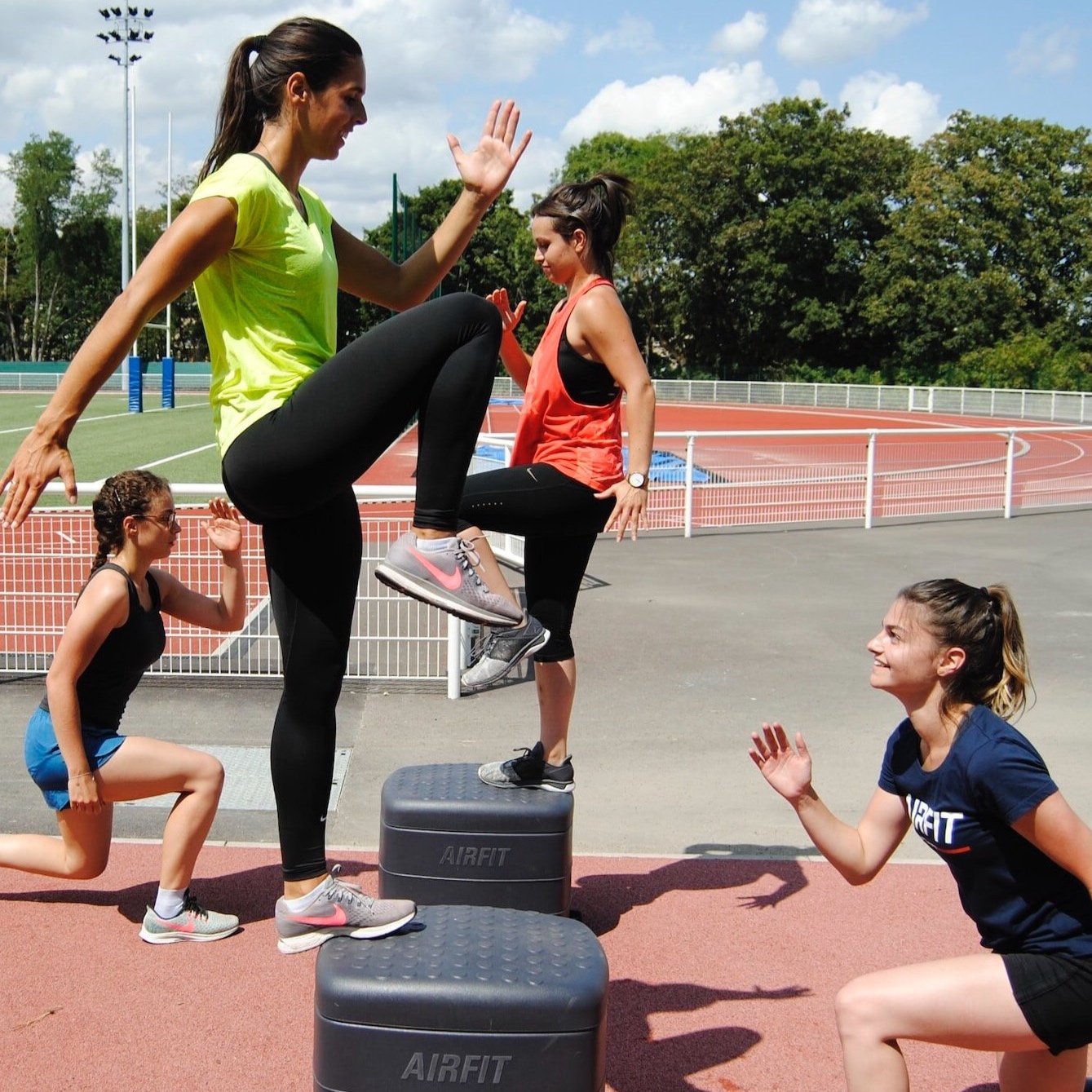
One of the most crucial factors for an athlete’s success is flexibility. Flexibility optimizes the body’s movement, prevents injuries, and enhances athletic performance. This is especially significant for youth athletes. During their growth and development, youth players must focus on building flexibility, as it directly impacts their athletic abilities and reduces the risk of injury.
1. The Importance of Flexibility in Youth Sports
The period of youth is when physical development is most active. If flexibility is not properly developed during this phase, it can result in stiffness and increase the risk of injury. In sports such as soccer and basketball, which require quick direction changes, jumping, and sudden movements, a lack of flexibility can lead to serious injuries.
Scientific Basis:
- Muscle Elasticity: The muscles of youth athletes are highly elastic, meaning flexibility training can be introduced without putting undue pressure on growth plates, thus enhancing the range of motion.
- Joint Range of Motion: Flexibility training helps expand the range of motion in the joints, improving performance while simultaneously preventing injuries.
2. Flexibility Training Methods for Youth Athletes
- Stretching: Both static and dynamic stretching should be incorporated into the training regimen. Dynamic stretching, in particular, is crucial before exercise to prepare the body for movement.
- Yoga and Pilates: These methods are excellent for youth athletes as they focus on bodyweight movements that increase flexibility and core strength.
- Strength Training: Combining strength exercises with flexibility training can help maintain a balanced body, preventing injuries while enhancing performance.
3. Flexibility Training Methods for Professional Athletes
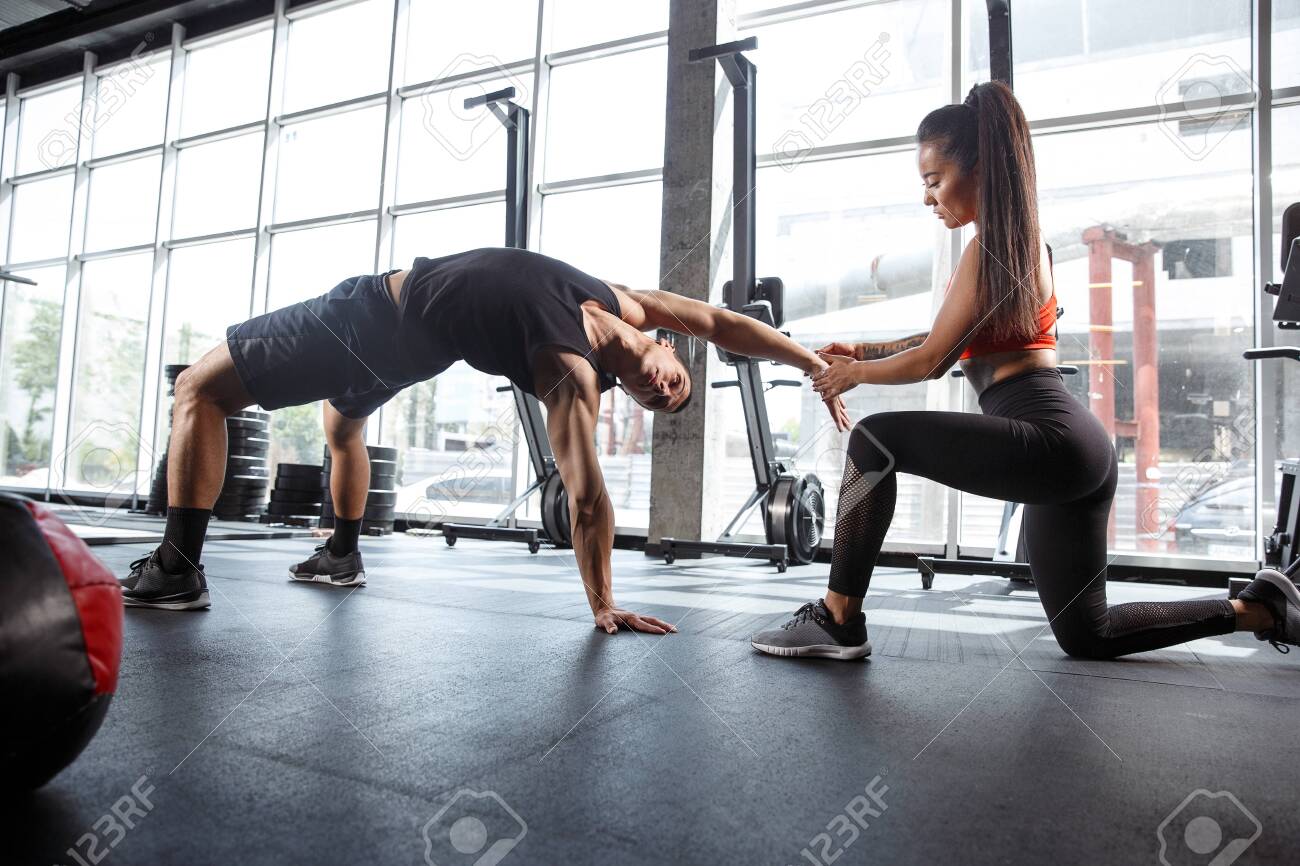
Professional athletes already possess high levels of athletic ability, so their flexibility training is designed to prevent injuries and improve performance. Flexibility training for professionals is based on scientific principles and is part of a structured program that athletes engage in daily.
Scientific Basis:
- Muscle Recovery and Regeneration: High-intensity training, repeated over time, requires proper muscle recovery. Flexibility training helps reduce fatigue and the risk of injury while aiding in faster muscle recovery.
- Improved Neuromuscular System: Flexibility training enhances the interaction between the nervous system and muscles, improving overall athletic performance. This is particularly beneficial in sports like soccer and basketball, where speed and quick reflexes are crucial.
Flexibility Training Techniques Used by Professional Athletes:
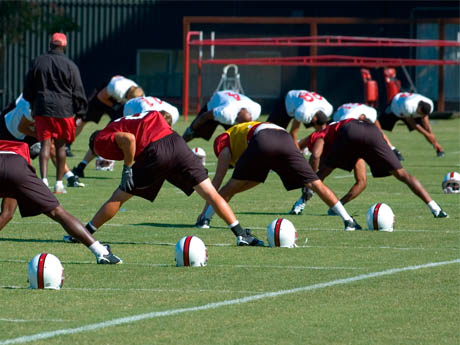
- PNF (Proprioceptive Neuromuscular Facilitation) Stretching: This method is used by advanced athletes to increase muscle length and relieve tension. It’s particularly effective for recovery and injury prevention.
- Stretching + Massage + Foam Rolling: Professional athletes often combine stretching with massage or foam rolling to reduce muscle tension and improve flexibility. This combination is widely popular among soccer players.
4. Injury Prevention Through Flexibility Training
- Preventing Injuries from Sudden Movements: Lack of flexibility can lead to excessive strain on the joints and muscles during sudden direction changes or jumps. Flexibility training helps prevent these issues, allowing for safer movements.
- Preventing Repetitive Injuries: In sports that involve repetitive movements, like soccer or basketball, flexibility is essential. Professional athletes rely on flexibility training to keep their bodies in optimal condition and avoid repetitive strain injuries.
Conclusion
Flexibility training is not only a physical requirement but also a key factor in enhancing athletic performance and preventing injuries. For youth athletes, consistent flexibility training during their developmental years is crucial for their growth and the optimization of their performance. Professional athletes utilize flexibility training to recover faster, prevent injuries, and maintain peak performance. Flexibility training has now become an essential part of every athlete’s routine, whether they are at the beginning of their career or at the peak of their performance.

 VIKING BARCA